Retreat Rain Plan: Check the Indoor Yoga Space
Retreat Rain Plan: Check the Indoor Yoga Space
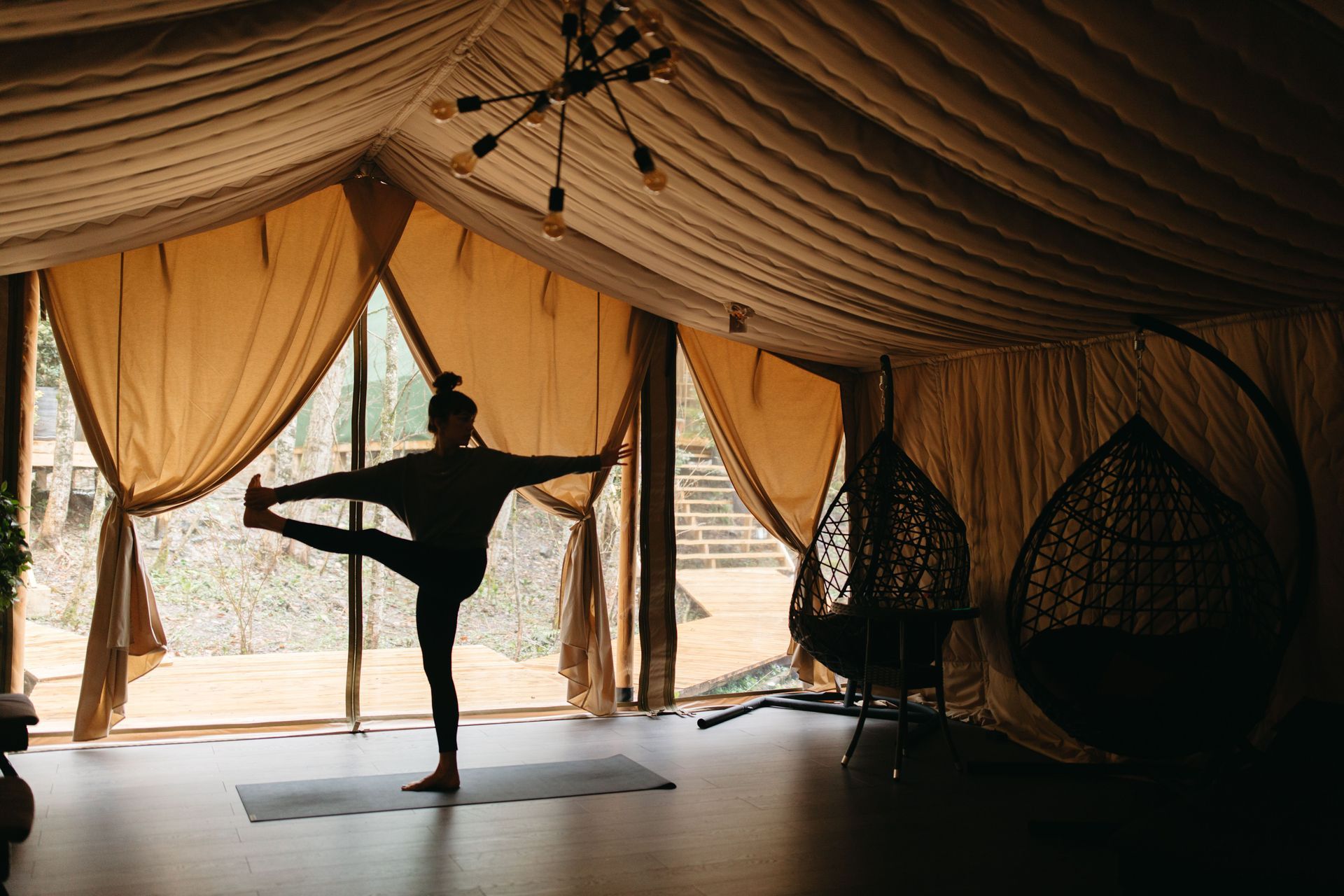
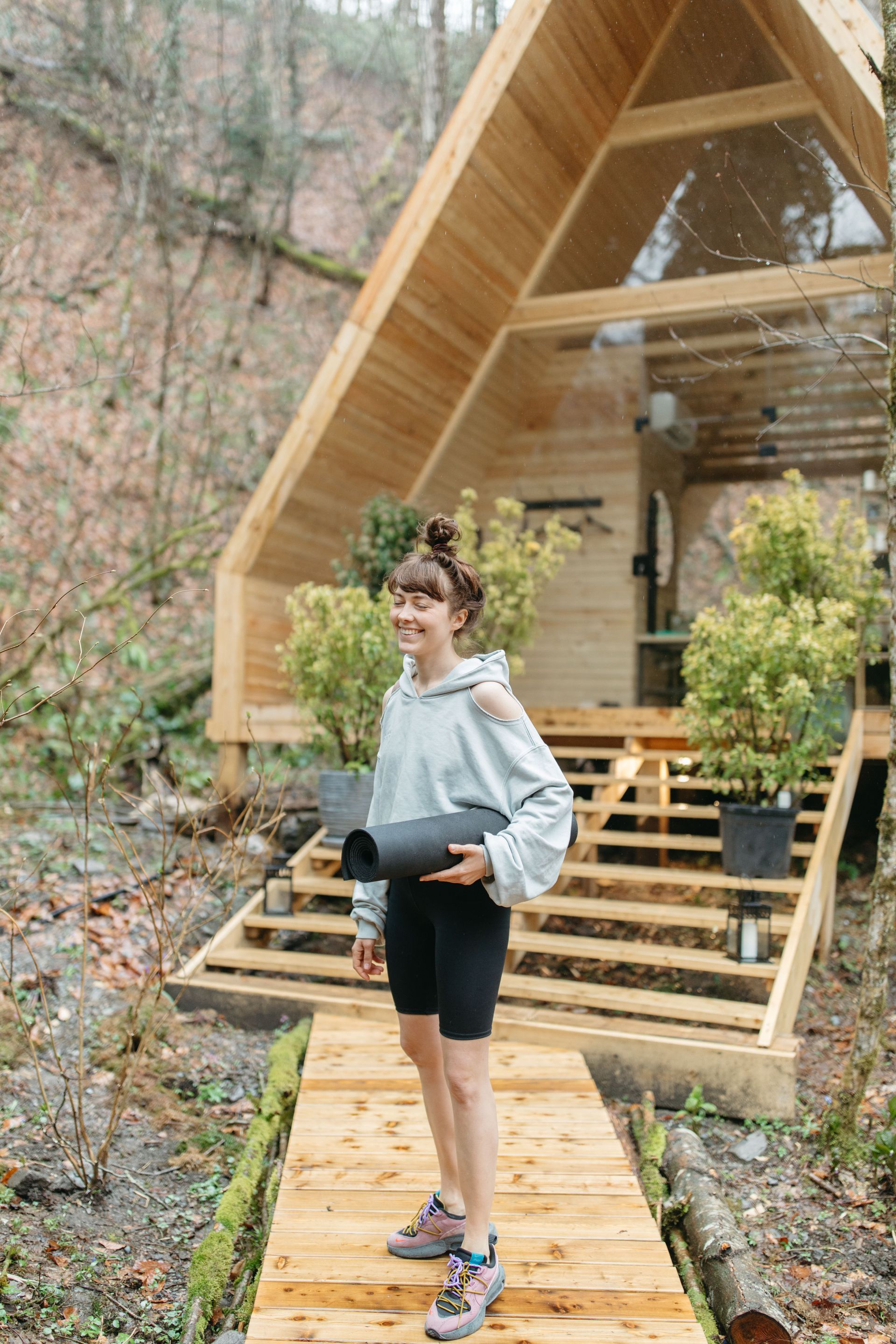
A retreat rain plan protects your autumn yoga programme when outdoor sessions are no longer practical. Before confirming a venue, test the indoor yoga space for mat capacity, ventilation, noise, access and timetable flexibility. This gives UK yoga teachers a clear basis for choosing a comfortable, workable venue.
Why does an autumn retreat need a rain plan?
Autumn weather can change quickly. A terrace, garden or beach may be central to your retreat experience, but it cannot be your only option. Guests need to know that the schedule will still feel considered if heavy rain, wind or low temperatures make outdoor practice unsuitable.
A good rain plan is more than naming an indoor room. It confirms that the room can safely and comfortably support the group, while allowing the retreat timetable to keep its rhythm. It should cover:
- Where yoga, meditation and movement sessions will take place
- Whether the room fits the expected number of mats
- How fresh air and temperature will be managed
- What happens if noise affects teaching or rest
- How meals, transfers and activities change in wet weather
For retreat hosts, this is also part of setting accurate expectations before guests book. ActiveXplore works with hosts and practitioners to help make retreat and travel packages compliant, while reducing the administration involved in planning.

How do you test an indoor yoga space during a site visit?
Do not rely on a venue photograph or a floor plan alone. Visit the room at the time of day when you expect to teach, and ask the venue team to show you the space as it will operate during the retreat.
1. Measure practical mat capacity
Start with the number of guests, not the advertised room size. A room may technically hold 20 mats, but teaching becomes uncomfortable if participants cannot move without touching walls, furniture or one another.
Lay out mats or mark their dimensions on the floor. Allow space for the teacher, props, bags and safe movement. Check whether doors, pillars, radiators or low beams reduce the usable area.
Ask:
- How many mats fit with comfortable spacing?
- Can the teacher see every participant?
- Is there storage for blocks, blankets and bolsters?
- Can furniture be removed before the session?
- Is the floor level, clean and suitable for bare feet?
Record the tested capacity rather than the venue’s maximum capacity. If your retreat is designed for 16 guests, a room that comfortably supports 14 is not a reliable backup.
2. Check ventilation and temperature
Yoga can make a room warm quickly, particularly during a full class. At the same time, opening windows in wet or windy weather may be impractical. Look for windows, vents, fans and heating controls, then ask who can adjust them during a session.
Notice whether the room feels stale or overheated before the group arrives. Check for condensation, strong cleaning smells and sources of draughts. Confirm whether windows open safely and whether outside noise becomes a problem when they do.
You should also ask about cleaning between sessions. A clear reset routine is useful when the same room hosts yoga, workshops and social activities throughout the day.
3. Listen for noise
Stand quietly in the room for several minutes. Listen for kitchens, bars, boilers, traffic, neighbouring bedrooms, maintenance equipment and other groups. Visit during a busy period if possible, rather than assessing the room only when the venue is empty.
Then test the room as a teacher would. Ask someone to speak from the front while you stand at the back. Can instructions be heard without shouting? If you use music, will a reasonable volume mask quieter guidance?
Noise does not always make a room unsuitable, but it should be understood before you promise restorative practice, meditation or early-morning sessions.
What should a wet-weather timetable include?
A wet-weather timetable should be simple enough to activate without rebuilding the entire retreat. Prepare it before arrival and share the decision-making process with the venue team.
Include:
- A clear trigger: for example, a forecast, venue safety advice or conditions at a set morning check-in.
- A room allocation: name the indoor space and confirm its tested capacity.
- A revised sequence: move outdoor practice indoors without creating unsafe gaps or rushed transitions.
- Alternative activities: use workshops, journalling, treatments or local visits that work in poor weather.
- Guest communication: explain changes through the agreed group channel and update signs or printed schedules.
Build in realistic movement time. Wet coats, umbrellas and muddy footwear can slow a group down. If the indoor room is in another building, consider accessibility, lighting and the route between spaces.
For a broader compliance view, review ActiveXplore’s guide to travel package regulations for hosts . If you are still comparing the administration involved in running a retreat, the Retreat & Camp Hosting page explains how the service can support hosts.
Site-visit checklist for yoga teachers
Use this short checklist during a venue visit and keep written evidence of what you tested.
- Capacity: number of comfortable mats, teacher position and prop storage
- Air: windows, ventilation, heating, temperature and cleaning arrangements
- Sound: likely noise sources, teaching audibility and music limitations
- Access: route, stairs, toilets, changing space and wet-weather entry
- Timetable: room availability, reset time and a practical alternative schedule
Take photographs for your own planning, subject to the venue’s permission. Note the date, time and weather, as a room can feel very different at 7am, during lunch service or after a busy day.

How can you communicate the rain plan to guests?
Keep the wording calm and specific. Guests do not need a long weather briefing, but they should know that the programme has a considered indoor option.
Your pre-arrival information can state that some activities may move indoors for safety, comfort or venue conditions. On the retreat, explain changes promptly and avoid presenting the indoor plan as an afterthought. If the room is smaller than the outdoor area, tell guests how the session will be adapted.
Also confirm what guests should bring. A warm layer, waterproof footwear, a towel and a mat suitable for indoor use may all be relevant. Clear information reduces questions for you and helps guests arrive prepared.
A practical decision before you confirm
An indoor yoga space should be tested, not assumed. If the room cannot comfortably hold your group, has poor air quality, distracting noise or no workable timetable, treat that as a venue-planning issue rather than something to solve after bookings open.
ActiveXplore supports wellness hosts with retreat planning, travel package compliance and practical administration. You can also browse activexplorevenues.co.uk when researching venue and travel options, without treating any listing as an endorsement.
Key takeaways
- Test the room with real mat spacing and your expected group size.
- Check air, temperature, access and noise at a realistic time of day.
- Prepare a wet-weather timetable before the retreat begins.
- Communicate changes clearly so guests know what to expect.
If you are shortlisting autumn venues and want to sense-check the compliance or practical side, you are welcome to arrange a free 15-minute compliance chat with ActiveXplore. It is a straightforward opportunity to discuss your proposed retreat and identify any questions before you confirm the venue.
Recent Posts