Choosing a Retreat Venue: 12 Questions to Ask Before You Book
Learning how to choose a retreat venue requires looking beyond beautiful photos to evaluate logistical feasibility. You must verify exclusive use, actual capacity, teaching space suitability, and dietary flexibility. Crucially, ensure the venue and your booking structure comply with UK Package Travel Regulations to protect your business and guests.
Selecting the right location is the foundation of a successful wellness event. For many UK yoga teachers and wellness practitioners, the dream of hosting a retreat often begins with a stunning Instagram image of a villa in Ibiza or a farmhouse in the Cotswolds. However, the gap between a beautiful aesthetic and a functional, profitable, and safe retreat can be vast. When you are moving from a weekly class schedule to a residential retreat, you are transitioning from being an instructor to being a travel organiser. This shift brings a new set of responsibilities and potential pitfalls.
At ActiveXplore, we work with hosts to navigate these complexities, ensuring that the logistics—from accommodation to compliance—are handled with 90% less admin for you. Below, we’ve outlined the twelve essential questions you must ask every prospective venue to ensure your first or second retreat is a resounding success.
Is the venue for exclusive or shared use?
This is perhaps the most critical question for the 'vibe' of your retreat. Exclusive use means your group is the only one on the property. Shared use means you might be sharing communal areas, dining rooms, or even the swimming pool with other holidaymakers or another retreat group.
For a yoga retreat, privacy is often paramount. You want your guests to feel safe to express themselves, whether that’s during a tearful meditation session or a silent morning walk. If there are other tourists splashing in the pool or music playing from a neighbouring villa, that sanctuary is broken. Always clarify if 'exclusive use' applies to the entire estate or just your specific block of rooms.
What is the difference between capacity and comfort?
When a venue says they sleep 20 people, you must ask how . Often, venues reach that number by using sofa beds, triple rooms, or bunk beds. While this might work for a hen party, it rarely works for a premium wellness retreat.
UK retreat guests typically expect a high level of comfort. If you are charging £800-£1,500 for a weekend, guests will expect twin or single rooms with high-quality linens. If a venue has 10 bedrooms but only 5 bathrooms, you need to manage expectations or find a venue with more en-suites.
Host Tip: Always ask for a floor plan and a bed configuration list. This helps you map out exactly where each guest will sleep before you even take your first deposit.
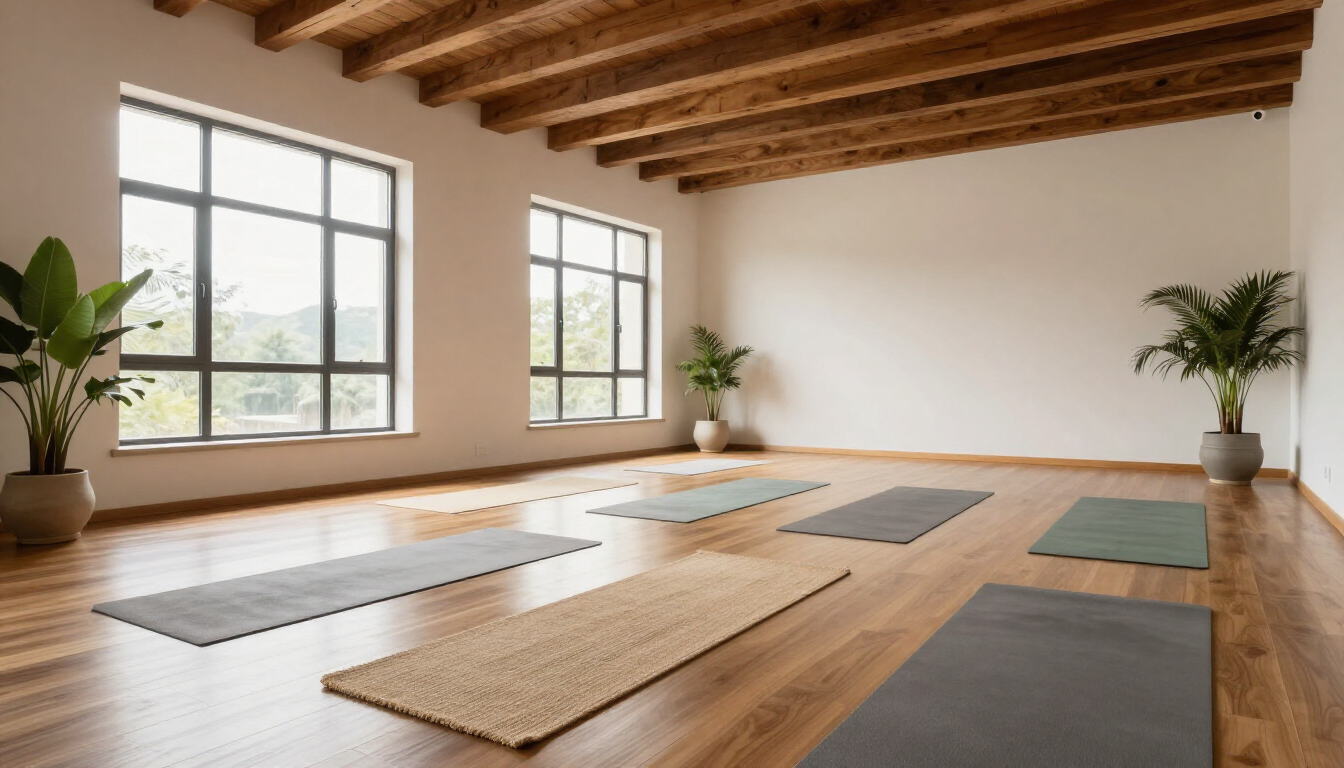
How does the teaching space accommodate your style?
Not all 'yoga spaces' are created equal. Some venues might offer a beautiful outdoor deck that looks great in photos but is unusable at 7:00 AM in April due to the cold or midges.
When considering how to choose a retreat venue , ask about the following:
- Dimensions: Is there enough room for 12-15 mats with space for you to walk between them?
- Equipment: Do they provide mats, bolsters, blocks, and straps, or do you need to ship yours? (Check out our Find a venue page for venues with pre-vetted equipment).
- Surface: Is the floor wood, tile, or stone? Hard stone floors can be tough on knees for Yin yoga.
- Lighting and Noise: Can you dim the lights for Savasana? Is the space near a noisy kitchen or a busy road?
Can the venue handle specific dietary requirements?
In the wellness world, food is just as important as the yoga. Most UK retreat guests will have at least one dietary requirement, whether it's gluten-free, vegan, or a nut allergy.
Ask the venue if they have an in-house chef who understands wellness catering. You need to know if they can provide a 'Sattvic' diet or if they are comfortable with complex allergy management. If you are bringing your own chef, ask about kitchen hire fees, fridge space, and whether the chef needs to bring their own specialised equipment like high-speed blenders.

What are the deposit and cancellation terms?
This is where the business side of hosting gets real. Most venues require a non-refundable deposit to secure the dates. You must ensure that your own terms and conditions for guests align with the venue’s terms. If the venue requires the full balance 90 days before arrival, you cannot allow your guests to pay only 30 days before.
Many hosts face unspoken fears of hosting a retreat specifically regarding financial risk. To mitigate this, look for venues that offer a 'sliding scale' cancellation policy. If you have to cancel six months out, can you get any of your deposit back? If a guest cancels, what is your liability to the venue?
Is the venue legally compliant and insured?
As a UK-based host, you are liable for the safety of your guests. You must ask the venue for proof of their Public Liability Insurance and their local operating licences. If you are hosting abroad, this is even more critical.
Does the venue meet fire safety standards? Do they have a first aid kit and an emergency evacuation plan? If you book a venue that isn't properly licensed, you could be personally liable if an accident occurs. This is a core part of the Travel Package Regulations for Hosts that we help our clients navigate at ActiveXplore.
How to choose a retreat venue that is accessible?
Inclusivity is a growing focus in the wellness industry. A venue with many stairs, gravel paths, or narrow doorways may exclude guests with mobility issues. Even if your current client base is young and fit, you may find that an older guest or someone with a temporary injury wants to join.
Ask if there is at least one ground-floor bedroom and an accessible bathroom. If the yoga space is up a flight of stairs, is there a lift? Being clear about accessibility in your marketing prevents awkward conversations later.
What local transport and transfer options exist?
Your retreat starts the moment your guests leave their homes. If the venue is two hours from the nearest airport or train station, you need a plan.
- Does the venue provide airport transfers?
- Is there a local taxi firm that is reliable?
- Can you organise a group shuttle to keep costs down?
Are there hidden costs involved?
When you see a price for a venue, don't assume it's the final 'all-in' cost. Many venues charge extra for things you might take for granted. Always ask about:
- Cleaning fees: Is there a flat fee or a per-room charge?
- Wi-Fi: Is it included and, more importantly, is it strong enough for guests who might need to check in with work?
- Heating/Aircon: Some European villas charge extra for electricity usage.
- Corkage or Tea/Coffee: Is there an open-access tea station, or is every cup charged?
- VAT/Local Taxes: In the UK, ensure the price includes VAT. In Europe, look out for 'Tourist Tax' which is often paid in cash on arrival.
Is there on-site support and staff?
If the boiler breaks at 10:00 PM on a Friday night, who are you going to call? A good retreat venue should have a dedicated manager or host available—if not on-site, then within a 15-minute drive. You are there to teach and hold space for your guests; you shouldn't be spendng your time fixing toilets or hunting for extra lightbulbs. Ask what the 'out of hours' protocol is.
What are the noise and community restrictions?
If you are planning a retreat that includes late-night kirtan, drumming, or even just socialising by the pool with a glass of wine, you need to know the local rules. Many residential areas have strict noise curfews after 10:00 PM. Conversely, if you want a silent retreat, you need to know if the neighbouring property is a working farm or a construction site.
Does this booking meet UK Package Travel Regulations?
This is the most overlooked question by new hosts. When you combine accommodation and another 'travel service' (like yoga teaching or transport) for a single price, you are likely creating a 'Package Holiday' under UK law. This means you are legally required to have insolvency protection in place to protect your guests' money.
If the venue doesn't understand this, or if you aren't booked through a protected service like ActiveXplore, you could be operating illegally. This is why many hosts choose to host with us . We provide the PTS bonding and compliance framework so you can focus on your teaching while we handle the legalities of the 'package.'
Takeaways for Choosing Your Venue:
- Prioritise Privacy: Exclusive use is almost always worth the extra cost for yoga retreats.
- Verify the Visuals: Ask for a video walkthrough or recent guest photos, not just the professional marketing shots.
- Audit the Logistics: Check bed configurations and kitchen capabilities before signing.
- Ensure Compliance: Don't risk your business by ignoring the Package Travel Regulations.
Choosing the right venue is about more than just a beautiful view; it’s about creating a safe, comfortable, and legally sound environment for your guests. By asking these twelve questions, you can move forward with confidence, knowing that your retreat is built on a solid foundation.
Ready to simplify your retreat planning? At ActiveXplore, we take the stress out of hosting. From finding the perfect venue to ensuring full PTS-bonded compliance, we help you reduce your admin by up to 90%.
Book a free 15-minute compliance chat with our team today to see how we can help you launch your next successful retreat.
Recent Posts